


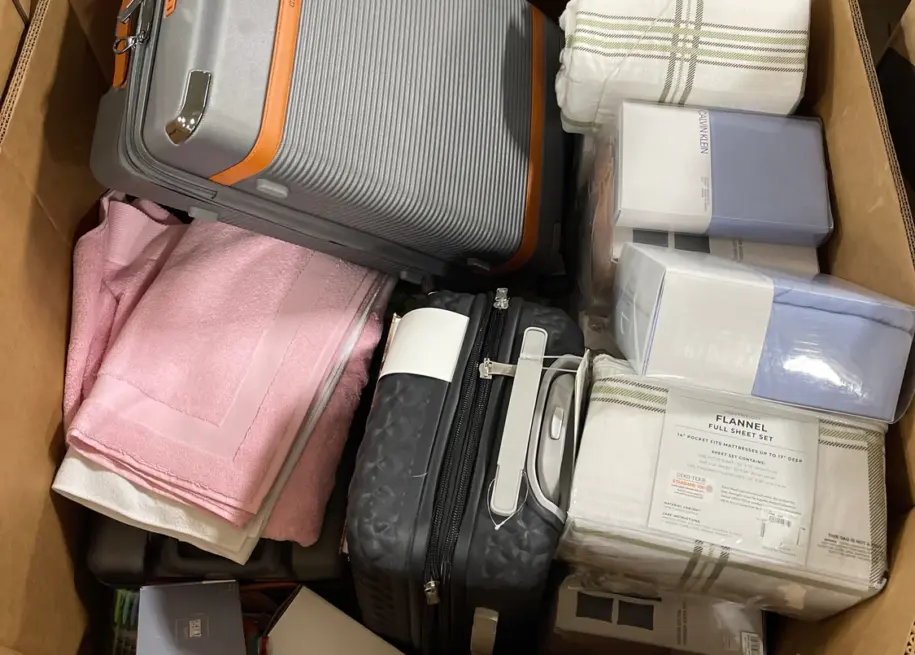
Liquidation has its own vocabulary, and the first listing you read can feel like a foreign language. This liquidation pallet glossary explains the terms resellers run into most often, in plain English, so you can read a listing and know exactly what you are being offered.
Bookmark it and come back whenever a term trips you up. Where a term has a deeper guide or a matching product category, we link to it.
How to use this liquidation pallet glossary
The terms are grouped by the stage of buying where you meet them: what is in the lot, how it is packed, how it ships, what it costs and how you sell it. Read the groups in order if you are new, or jump to the one you need.
One rule applies to every term below: a definition tells you what a word usually means in the trade. Always check the listing itself for the lot size, the condition and the stated retail value.
Stock and condition terms
These words describe where the goods came from and what shape they are in.
- Customer returns: items a shopper sent back to a retailer. Condition ranges from unopened to used or incomplete. See customer returns vs overstock vs shelf pulls for the full comparison.
- Overstock: new stock a seller bought too much of. It was never sold to a customer, so it is often unopened.
- Shelf pulls: items removed from store shelves, for example when a range changes or a season ends. They are usually new, though packaging can show handling.
- Salvage: goods with real damage, sold mainly for parts, repair or scrap value. Treat salvage as a different buying decision from resale-ready stock.
- Open box: a product whose packaging has been opened. It may be complete and unused, or it may be missing parts.
- Untested: electronics that nobody has powered up or checked. Expect some to work and some not, and price the lot with that in mind.
- Mystery box: a sealed assortment where you know the category or theme but not the exact items.
Grades and value terms
Grades and retail values let you compare lots without opening them. They describe a whole lot, not each item.
- Grade A: like new or unused.
- Grade B: fully working, with light wear or damaged packaging.
- Grade C: cosmetic damage, or needs attention.
- MSRP (stated retail value): the manufacturer’s suggested retail price, added up across the lot. Where the source provides one, each listing states it. It is a reference point and not what the goods sell for.
- Manifest: an item-by-item list of what is in a lot, often with quantities and retail prices. Manifests or category breakdowns are available on request where the source provides one, so ask us before you buy.
- Category breakdown: a summary by product type rather than by item, useful when a full manifest does not exist.
- Cost per unit: the lot price divided by the number of items. It is the quickest sanity check on any listing.
Lot and packaging terms
How goods are packed affects how you receive, count and store them.
- Pallet: a wooden or plastic platform that holds stacked cartons, shrink-wrapped for transport. Our minimum order is one pallet. Browse the full US catalogue to see typical lots.
- Lot: any single unit of sale, whether a box, a pallet or a truckload.
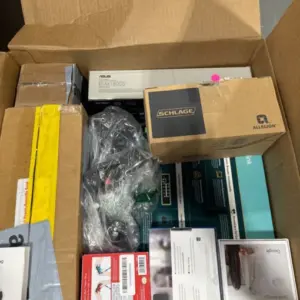
- Gaylord: a large cardboard bin, usually pallet-sized, packed loose with mixed goods. Loose-packed gaylords take longer to sort than cartons.
- Case pack: the number of identical units the manufacturer packs in one carton. Case-pack lots are easy to count and price.
- High count: a lot with many low-value items. Amazon high count pallets are an example.
- Truckload: a full trailer of pallets. Browse wholesale truckloads for the largest lot size.
- Shrink wrap: the plastic film around a pallet. Check it on arrival, because tears or gaps are a clue to handling damage.
Freight terms
Freight is where new buyers get surprised, so these terms matter. Freight is prepaid to any country and included in every listed price at USA Bulk. International buyers pay their own import duties and taxes. Our shipping page explains the process.
- LTL freight: less-than-truckload shipping, where your pallet shares a trailer with other customers’ freight.
- Liftgate: a hydraulic platform on the back of the truck that lowers the pallet to the ground. Liftgate delivery is standard in the US, so you need no forklift or loading dock.
- Freight prepaid: the shipping cost is already inside the price you see.
- Bill of lading (BOL): the shipping document you sign at delivery. Note any visible damage on it before the driver leaves.
- Duties and taxes: charges a destination country adds when goods cross the border. They are separate from the listed price.
- Tracking details: we email these once the pallet is booked with the carrier.
Cost and selling terms
These terms decide whether a pallet makes money once you factor in everything around the price.
- Landed cost: everything you pay to get an item ready to sell, not just the pallet price. We break it down in liquidation pallet landed cost.
- Sell-through: the share of your items that actually sold in a given period. Slow sell-through ties up cash and shelf space.
- Margin: what is left of a sale after your landed cost, platform fees and shipping. Check each platform’s current fees.
- Bin store: a retail shop that sells goods from bins at falling prices through the week.
- Lot flipping: reselling a pallet’s contents item by item, or reselling a lot to another buyer.
- Restricted category: a brand or product type that a marketplace limits. Read the rules at eBay, Facebook Marketplace, Whatnot, Mercari, Poshmark, Depop, OfferUp, Amazon and Walmart Marketplace before you list.
Receiving and returns terms
- Receiving: checking in a delivery: counting, photographing and noting condition. Our guide to how to inspect a liquidation pallet gives a routine.
- Visible damage: damage you can see from outside the pallet, such as crushed cartons.
- Returns window: the period when you can send a purchase back. Ours is 14 days from delivery; the customer pays return freight unless the error was ours, there is no restocking fee, and the refund is made within 5 days of inspection. Details are on the returns page.
- Recall: a manufacturer or regulator notice that a product has a safety problem. Never sell a recalled item.
Where to go next
If you are brand new, read how to buy liquidation pallets in the USA for a step-by-step plan. Then pick a category that matches what you already know how to sell.
Not sure what a term means on a particular listing? Ask us through the contact page and we will explain it.





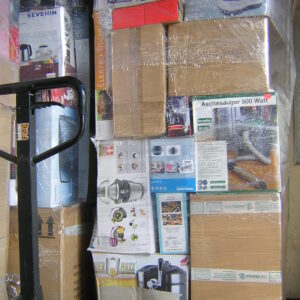

Ready to stock up?
Every price includes freight. Request the current manifest ahead of purchase.
Cookies help this site work better for you. Staying on the site signals acceptance of our cookie policy.
I AcceptYour Cart
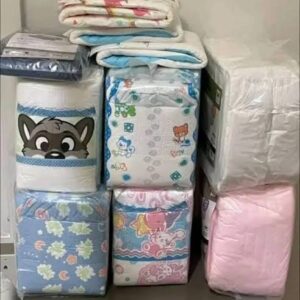
ABDL Diapers Pallets (300Packs Per Pallet)
Price range: $350.00 USD through $1,000.00 USD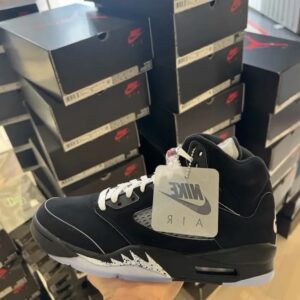
Wholesale Authentic Jordan Shoes Pallet
$1,000.00 USD
All Categories
Search
ABDL Diapers Pallets (300Packs Per Pallet)
Price range: $350.00 USD through $1,000.00 USDWholesale Authentic Jordan Shoes Pallet
$1,000.00 USD