


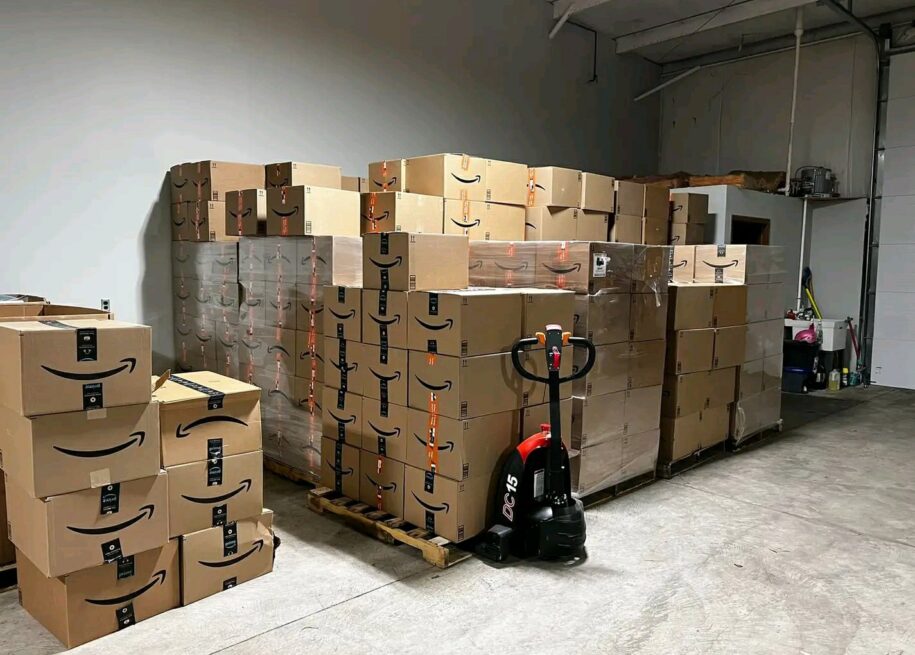
Amazon liquidation pallets are not one product. The same label covers three quite different lot formats, and picking the wrong one for your setup is the most common reason a first order disappoints. This guide compares the formats side by side so you can match the lot to your skills, space and sales channel.
Large retailers often sell returns and surplus in bulk, and that stock reaches resellers as electronics pallets, general-merchandise pallets and smaller mystery boxes. We cover each, then a plan for the first week after delivery.
The three formats at a glance
Start with the comparison, then read the detail on the format that fits you.
| Electronics pallets | Bulk general merchandise | Mystery boxes | |
|---|---|---|---|
| Typical contents | Audio, smart-home devices, chargers, accessories, small gadgets | Home, kitchen, toys, beauty and everyday goods | Unlisted mix, smaller lot |
| Processing effort | High: testing, cleaning, model lookups | Medium: sorting and grouping | Low to medium: depends on the box |
| Main risk | Faulty or incomplete units | Slow-moving, low-value items | No visibility of contents |
| Best sales channel | eBay, with model-number titles | Facebook Marketplace, bin stores, tables | Bin stores, small test runs |
| Manifest or breakdown | On request where the source provides one | On request where the source provides one | Typically none |
Electronics pallets: higher value, more testing
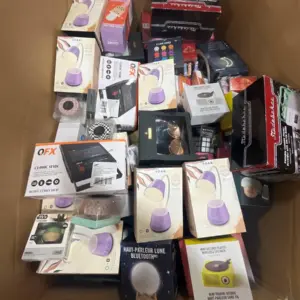
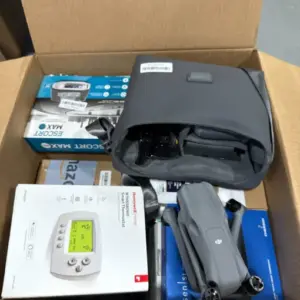
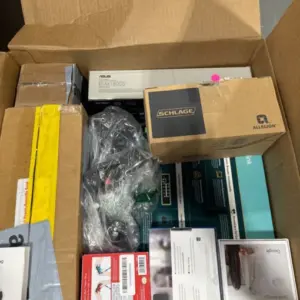
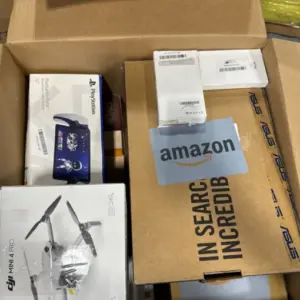
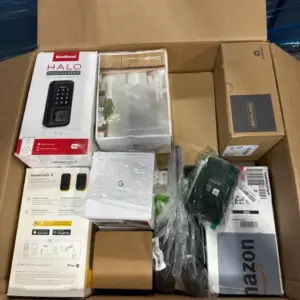
Our Amazon electronics pallets suit sellers who can test a device, look up the exact model and write a precise listing. Value per item is higher than in general merchandise, but each unit needs a check before it earns that value.
Expect a spread: sealed items, opened items missing a cable or manual, and units that need attention. Faulty units can still sell as parts or repair listings where the platform allows it.
Safety matters here. Keep damaged or swollen lithium batteries away from charging areas and heat, check for recalled items before you list, and do not attempt electrical repairs on devices you are not trained to service.
Bulk general merchandise: volume and variety
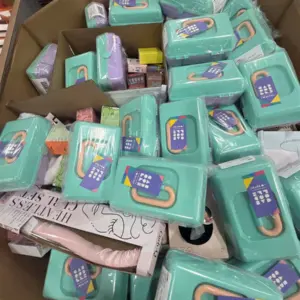
The Amazon bulk pallets and the larger-count Amazon high count pallets lean toward everyday goods. Individual items are lower in value, so the model depends on moving many units quickly rather than listing each with a long description.
This format fits bin-store owners, flea-market vendors and Facebook Marketplace sellers who can group items into lots, bundles or priced bins. It is also gentler on beginners because there is less to test, though you need space for a pallet of mixed goods.
Mystery boxes: small lots and honest uncertainty
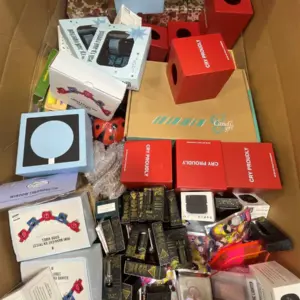
An Amazon mystery box is a smaller lot where the contents are not itemized. That makes it a low-commitment way to see what a source looks like, and a poor choice if you need to forecast revenue.
Use boxes as a sample, and read our pallet inspection guide for what to record. Open one, record every item, and note the condition spread before you commit to a pallet. If you want to know what documentation exists for a specific lot, ask on our contact page.
How to choose: a quick decision rule
- If you can test devices and write model-specific listings, start with electronics.
- If you sell by volume at a table, in a bin store or locally, start with bulk general merchandise.
- If you are unsure about the source, order a mystery box first and track the results.
- If you have limited space, avoid a full pallet until you know how fast you can process it.
Every listing states the lot size, the stated retail value (MSRP) where the source provides one, and the condition. Treat the retail value as a ceiling, not a forecast.
Reading the condition spread
Amazon lots are mostly returns and surplus, so condition varies inside a single lot. Grading is applied at lot level: Grade A is like new or unused, Grade B is fully working with light wear or damaged packaging, and Grade C is cosmetic damage or needs attention.
Returned items often carry extra barcodes or warehouse stickers. Those do not tell you the condition, but the product barcode helps you look up the exact model and current selling prices. Our guide to source types and condition grades explains how to combine the two signals.
Your first-week processing plan
Most of the value in a pallet is protected or lost in the first week. This plan keeps the work moving.
- Day of delivery: photograph the wrapped pallet, then unwrap and photograph the top layer. Compare what you see with the listing.
- First sort: split items into four piles: sealed, opened and working, cosmetic issue, and needs attention.
- Test and clean: check electronics for function and clean everything that will be photographed.
- Price check: look up recent sold prices for your best twenty items before setting your own.
- List the top tier: post the highest-value items first, then bundle the rest into lots or bins.
- Track everything: record what each item cost you, what it sold for and how long it took.
If something does not match the listing, you have 14-day returns from delivery. The customer pays return freight unless the error was ours, there is no restocking fee, and the refund is made within 5 days of inspection. See the returns page for details.
Choosing by risk, not by price
The cheapest format on paper is rarely the cheapest in practice. Electronics carry the risk of units that do not work, so budget testing time and keep a parts-and-repair channel ready. Bulk merchandise carries the risk of slow movers, so budget shelf or storage space and a plan to discount aging stock. Mystery boxes carry the risk of the unknown, so keep the order small enough that a weak result does not hurt.
Ask which risk you are best equipped to absorb. A seller with a workbench and a good eye for model numbers handles electronics risk well. A vendor with a busy table and a loyal crowd handles volume risk well. Buy the format whose risk you already know how to manage.
Know the numbers before you order
Example figures, not a promise about any lot: a $900 pallet that yields 120 sellable units averaging $12 each brings in $1,440 before platform fees, supplies and time. Change the average to $8 and the same pallet brings in $960. Small changes in your average sale price decide the outcome, so stress-test your own numbers.
For help with the full calculation, read our landed cost guide.
Where to start with Amazon liquidation pallets
Match the format to your workload, then browse the lots. Electronics buyers can start with the electronics pallets, general sellers with the bulk pallets, and cautious buyers with the mystery boxes. The full range is in the US catalogue. Questions about a specific lot go through the contact page.




Ready to stock up?
Every price includes freight. Request the current manifest ahead of purchase.
Cookies help this site work better for you. Staying on the site signals acceptance of our cookie policy.
I AcceptYour Cart
All Categories
Search
